NIGER STATE GOVERNMENT CONSTITUTES INTER-MINISTERIAL TASK TEAM TO ADDRESS MDCN ACCREDITATION IN IBBUL

The Niger State Government has inaugurated an Inter-ministerial Committee to work with Ibrahim Badamasi Babangida University, Lapai in resolving the critical gaps observed during the recent pre-clinical and advisory accreditation exercise conducted by the Medical and Dental Council of Nigeria (MDCN).

The Committee’s mandate is to conduct a post-mortem analysis of all observations raised by the MDCN team and guide the state towards full compliance with Medical Education standards.

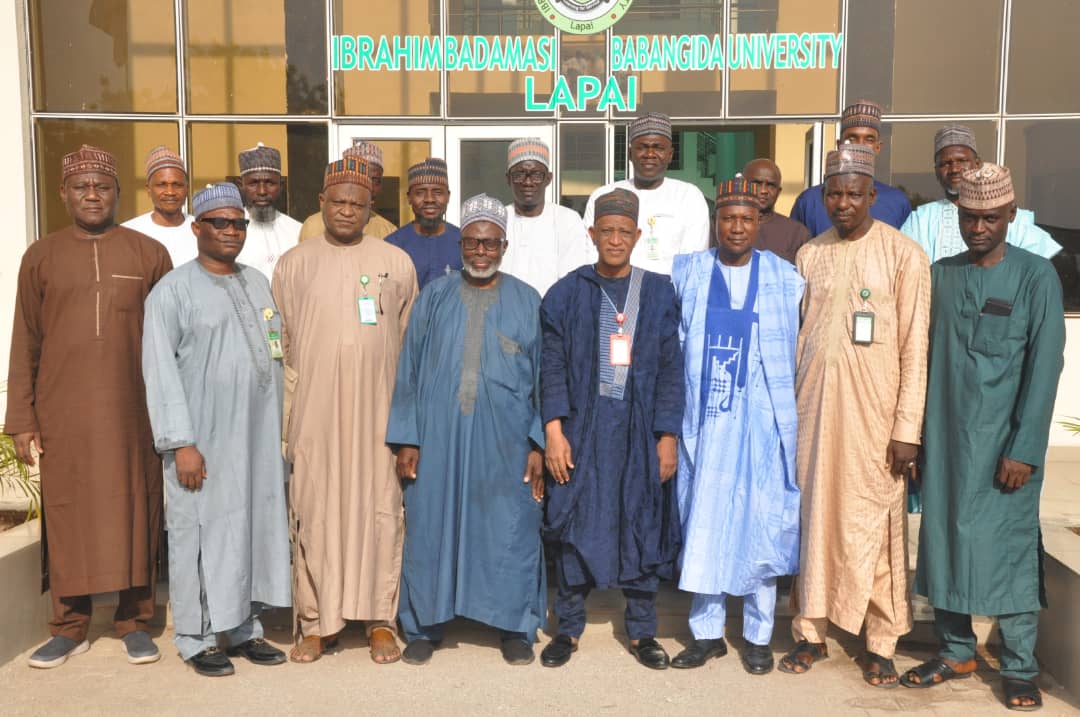
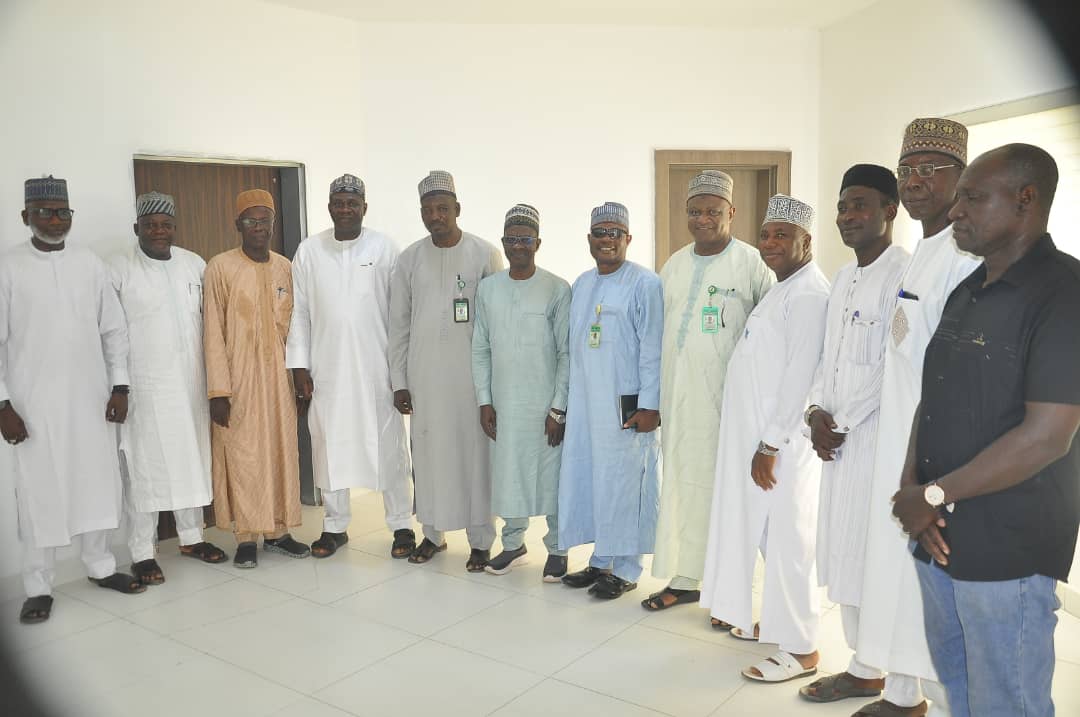
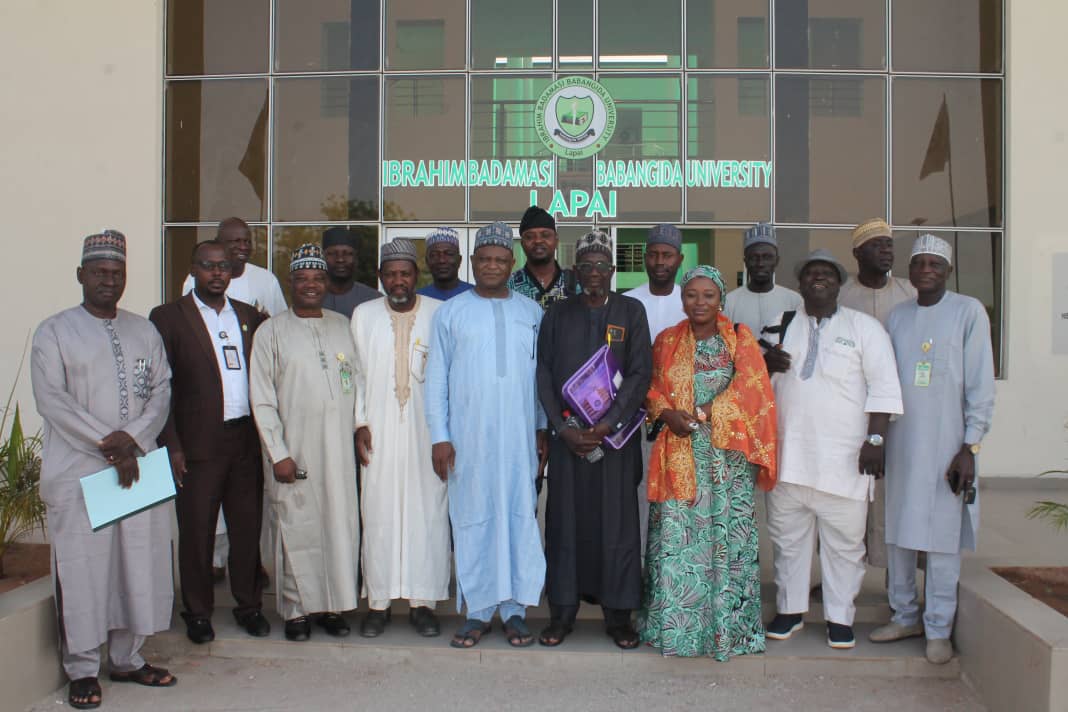
The Committee drawn from the Ministries of Health, Tertiary Education and Works, as well as State Bureau of Public Procurement and Ibrahim Badamasi Babangida University, Lapai paid a courtesy visit on the University Management to initiate coordinated action on the gaps identified by MDCN.

The visit underscored the government’s urgency in addressing issues that directly affect the accreditation status of the College of Health Sciences of the University.

Chaired by the Managing Director of Niger State Hospital Management Board, Dr. Umaru Isah, the Committee is tasked with engaging stakeholders across health, education, procurement and infrastructure sectors.

It is expected to study the MDCN evaluation report, harmonize expert opinions and recommend both immediate, medium and long-term interventions and to submit a detailed report to the Governor within three weeks.

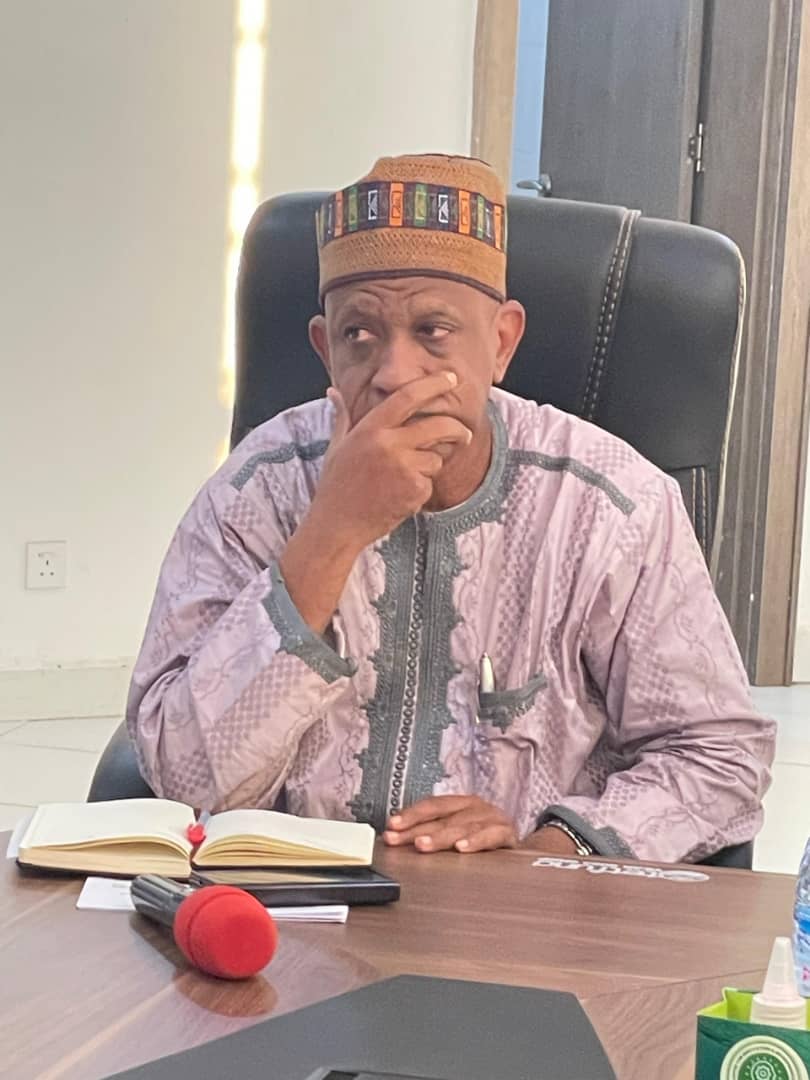
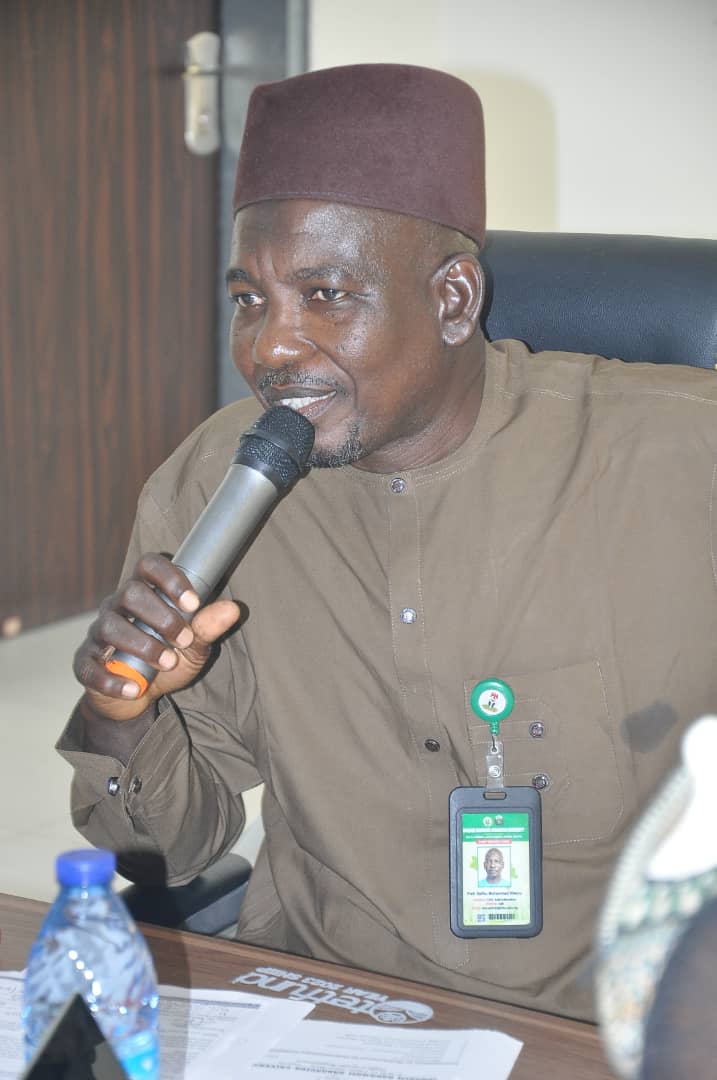
Welcoming the team on behalf of the Vice- Chancellor, Professor Mohammed Hadi Sulaiman, the Deputy Vice-Chancellor, Administration, Professor Salihu Mohammed Niworu described the State Government swift intervention as timely and strategic.

He said the MDCN’s report provided honest and professional feedback needed to strengthen the University’s Medical programme.

Professor Niworu stated that the University had already begun internal reviews of the observed gaps, particularly in infrastructure, staffing and laboratory development.

He assured the Committee of the Management’s full cooperation, stressing that the Institution is committed to meeting regulatory standards and building a Medical School that can compete with leading institutions nationwide.

It would be recalled that the MDCN delegation, led by Professor Idris Muhammad of Bayero University Kano, had spent 48 hours on campus assessing facilities, academic structures and compliance readiness for a full Medical programme.

The team made some observations that must be addressed before its revisit in the next six months.

These findings now form the basis of the Inter-ministerial Committee’s assignment.

NUC ACCREDITATION TEAMS URGE IBBUL’s SUSTAINED COMMITMENT TO EXCELLENCE

Accreditation panels from the National Universities Commission (NUC) for Mathematics Education and Geography Education have expressed confidence in the progress made by Ibrahim Badamasi Babangida University, Lapai, while urging the institution to consolidate on ongoing reforms that strengthen teaching, learning, and quality assurance across relevant departments.

Professor Ibrahim Galadima, who led the NUC panel for Mathematics Education, acknowledged the University’s advancements in curriculum development, library upgrades, and the general improvement of teaching facilities.

He noted that core deficiencies that hindered previous accreditations particularly in methodology-based courses, staffing, and resource organization have recorded significant progress, emphasizing the importance of strengthening Mathematics Education methodology, ensuring proper course classification, and updating library materials to sustain compliance with NUC standards.

Galadima commended the cleanliness of the library complex and the availability of essential facilities but highlighted the need to replace obsolete fire extinguishers, provide sand buckets, and enhance safety protocols.

He stressed the importance of expanding the quality assurance mechanism to the Faculty and Departmental levels to obtain direct feedback from students on lecturer performance.

Professor Bala Dogo, who headed the Geography Education accreditation panel, aligned with the observations and remarks shared by his colleague. He commended the University for its hospitality and the openness with which staff engaged the accreditation team.

Professor Dogo stressed the importance of maintaining a proactive approach to documentation, facility maintenance, and student feedback mechanisms, noting that these are critical ingredients for institutional growth.

He assured the Management that the team’s recommendations are aimed at helping IBBU achieve academic excellence and retain its rising profile.

Responding,the Vice-Chancellor, Professor Mohammed Hadi Sulaiman appreciated the NUC teams for their constructive engagement and reaffirmed Management’s commitment to addressing all identified gaps.

He noted that some concerns such as the absence of functional fire extinguishers in specific areas were surprising, given that most Departments currently possess these items. He directed immediate action on safety measures and pledged to strengthen the pedagogy component of Mathematics Education in line with national standards.

Professor Hadi explained the University’s staffing constraints, attributing them to the employment approval structure managed at the state government level.

He assured the teams that recruitment into critical areas is ongoing and will reflect positively during subsequent accreditation visits, reaffirming the University’s commitment to quality assurance, explaining that mechanisms already exist but may require improved coordination between departments and the central unit.

He expressed optimism that the next NUC visit would meet a much stronger, more robust academic environment.

The Registrar, Alhaji Idris Saleh Kusherki, expressed gratitude to the visiting teams on behalf of management, staff, and students.

He acknowledged the sacrifice of the panel members particularly those who travelled long distances and assured them that the University values their contributions to national development, encouraging the team leads to consider returning in future accreditation cycles.

He noted that IBBU Lapai welcomes experienced assessors who bring depth and clarity to institutional evaluation.

Recalled that the Deputy Vice Chancellor, Academic, Professor Mohammed Aliyu Bello had represented the Vice Chancellor, Professor Mohammed Hadi Sulaiman where he welcomed the visiting accreditation teams and expressed deep appreciation to the Executive Secretary of the NUC, Mr. Abdullahi Yusufu Rubado, for assembling a highly competent team of seasoned academics.

He described the exercise as an important peer review process aimed at strengthening quality assurance, noting that although IBBU is a state-owned Institution, it has diligently prepared all required documents and readied the concerned
departments for a thorough evaluation.

Professor Bello highlighted the familiar and cordial relationship between IBBU and several members of the visiting team, acknowledging individuals such as Madam Amina, Professor Galadima, and other long-standing collaborators who have contributed to the University’s academic growth.

He emphasized that IBBU remained one of Nigeria’s fastest-growing state universities, reiterating that the Deans, Heads of Department, and other Administrators stand ready to support the accreditation teams and ensure a seamless and productive exercise.

IBBU VICE CHANCELLOR STRENGTHENS GLOBAL TIES IN CHINA …. Secures MoU and Key Leadership Roles in Traditional Medicine.

The Vice Chancellor of Ibrahim Badamasi Babangida University, Lapai, Professor Mohammed Hadi Sulaiman, has completed a strategic one-week engagement in Wuhan, China, where He advanced Nigeria’s interests in Agriculture, Veterinary, and Traditional medicines, while sealing new international partnerships for the University.

The Vice Chancellor was in Wuhan from 18th to 25th November 2025, participating in high-level academic and diplomatic activities aimed at expanding global collaboration for IBBU Lapai and Nigeria’s research ecosystem.

During the Forum on China–Africa Cooperation (FOCAC) Beijing Action Plan 2025–2027, hosted by the China–Africa Innovation Center, Professor Sulaiman delivered a keynote address titled “Mitigating Challenges of Veterinary Medicine and Agriculture in Nigeria: Opportunities, Threats and Imperative for International Collaboration.”

His address underlined the need for stronger transnational partnerships to improve Agricultural productivity and Veterinary systems across Africa.

The delegation, led by the Vice Chancellor and the Dean of the Faculty of Pharmaceutical Sciences, Dr. Abdulmumin Zayd Abubakar, also attended the 8th Belt and Road International Conference on Traditional Medicine, held in Wuhan from 20th–23rd November 2025.

Professor Sulaiman delivered the opening remarks, stressing the importance of global cooperation in harnessing the potential of Nigerian traditional medicine for sustainable healthcare solutions.

Dr. Abubakar presented a paper titled “Synergizing Tradition and Technology: The Role of Artificial Intelligence in African Traditional Medicine,” contributing to a conference that showcased global research on the history, efficacy, and utilization of traditional medicine. The event drew participants from Asia, Africa, and Europe.

A major highlight of the conference was the unveiling of the Global Association of Traditional Medicine (GATM).

Dr. Abubakar was elected Vice President (West Africa), while Professor Sulaiman was appointed Advisor to the Association, positions that strengthen IBBU’s international visibility and influence.

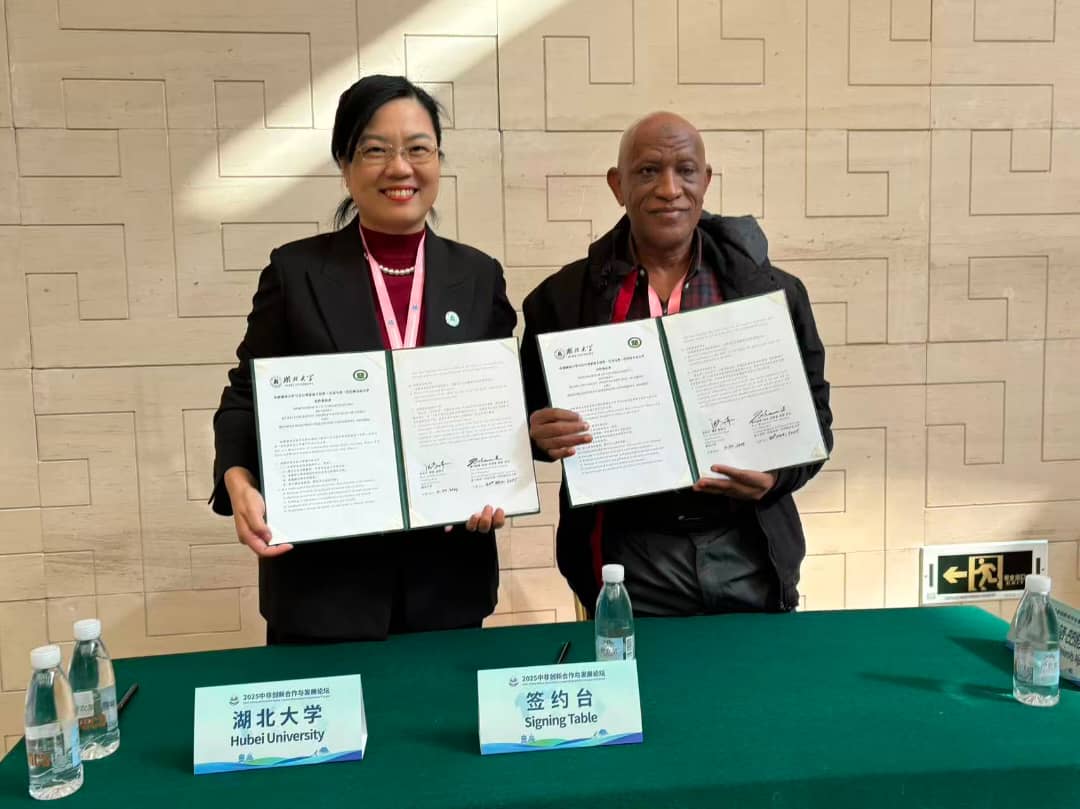
Professor Sulaiman also visited Hubei University from 23rd to 24th November, where he finalized and signed a Memorandum of Understanding (MoU) between IBBU Lapai and Hubei University, paving the way for joint research, staff exchange, capacity building, and collaborative academic programs.

BIDA EMIRATE EDUCATION FORUM SEEKS STRONGER SUPPORT FROM IBBUL

The Bida Emirate Education Forum has appealed to the Management of Ibrahim Badamasi Babangida University, Lapai, to support the collection of its membership levy as part of efforts to sustain its wide-ranging educational projects across the Emirate.

The Coordinator of the Forum, Alhaji Mahmood Mustafa, explained that the Bida Emirate Education Forum was established 22 years ago with a mission to advance education across all communities in the Emirate.

He stated that every indigene of Bida Emirate, regardless of place of residence, is considered an automatic member of the Forum.

According to him, the organisation operates through three organs the Board of Trustees, the Board of Directors, and the Secretariat, each playing a distinct role in coordinating its programmes.

He informed the University Management that the Forum had returned to seek institutional cooperation, particularly regarding the remittance of membership levies by the University staff who are indigenes of the Emirate.

Malam Mustafa said that although the Forum was inducted at IBBU during the tenure of Professor Ibrahim Adamu Kolo nearly a decade ago, its engagement with the University had not progressed since then. Despite this, he noted that the Forum has continued to sustain itself through contributions from State and Local Government workers, as well as members of the community.

He outlined numerous interventions ranging from the construction of more than 100 classrooms to the establishment of Women Education Centres in all six local governments.

The Forum has also created CBT centres across the Emirate in response to JAMB’s transition to computer-based examinations, with some LGAs hosting two centres. He added that the Forum recently produced and distributed hundreds of desks, diaries, registers, and other instructional materials to public schools, stressing that dwindling government resources made such community-led interventions indispensable.

The Cordinator presented a booklet containing a summary of the Forum’s projects on behalf of the Etsu Nupe and the Forum leadership.

The Acting Vice Chancellor, Professor Mohammed Salihu Niworu, welcomed the delegation on behalf of the Vice Chancellor, Professor Mohammed Hadi Suleiman, who is away on official duty.

He emphasized the long-standing relationship between IBBU and the Bida Emirate, describing the University as a natural home for the Forum and acknowledged the Emirate’s unwavering support over the years.

He assured the delegation that the University had carefully taken note of their submissions and would present the requests to the appropriate authorities for consideration.

According to him, the Forum’s achievements particularly its investments in CBT centres and educational materials reflect a deep commitment to improving learning outcomes.

He commended the Forum’s consistent efforts and expressed confidence that IBBU would contribute positively to sustaining the organisation’s initiatives.

The Registrar, Alhaji Idris Saleh Kusherki, thanked the Forum for its visit and reaffirmed that IBBU remains a welcoming institution for all indigenes of the Emirate.

He encouraged the delegation to tour the campus and observe ongoing developments, assuring them that their observations would be shared with the Etsu Nupe.

Alhaji Kusherki wished the delegation a safe journey and prayed for continued strength and divine guidance for the Forum as it pursues its mission.

MDCN TEAM COMMENDS IBBUL’s COMMITMENT TO MEDICAL TRAINING …Highlights Gaps during Accreditation Visit

A delegation from the Medical and Dental Council of Nigeria (MDCN) has concluded a pre-clinical and advisory accreditation visit to the College of Health Sciences, Ibrahim Badamasi Babangida University, Lapai (IBBU), with the team leader, Professor Idris Muhammad of Bayero University Kano, praising the University’s progress while outlining essential requirements that must be addressed.

Professor Muhammad said the team spent three days in the University, assessing facilities, academic contents, structures and compliance with MDCN standards.

He commended the Vice-Chancellor for what he described as an exceptional reception and rare level of Institutional hospitality.

The team leader particularly noted the commitment displayed by the University leadership and staff. “The hospitality from the Vice-Chancellor to the AMIA was unmatched. We saw a visible passion to ensure this University reaches the highest level,” he said.

According to him, the environmental cleanliness and academic atmosphere of the College reflect serious administrative dedication.Professor Muhammad commended IBBUL for investing in expensive but essential infrastructure for medical education.

He emphasized the importance of the anatomage machine already procured, describing it as a forward-thinking investment. “Very few universities in the country have this equipment. You must put it to active use to maximize its benefits across anatomy and surgical-related disciplines,” he advised.

The team, however, identified several critical gaps across Departments which the University is expected to note and address within a very short period.The gaps include, among others, increase in the number of microscopes, need for more tenure staff, procurement of basic laboratory equipment and other necessities. The team leader also recommended strengthening technical staffing in physiology and building a standard animal house to support research and pharmacology training.

The team leader further stressed the mandatory requirement for a dedicated 32-Seater Coaster bus for Community Health Department and reminded the Management that MDCN would not grant accreditation without these facilities.

He, however stressed that the team would be back in the next six months to reassess the situation.

Responding, the Acting Vice-Chancellor, Professor Mohammed Salihu Niworu, expressed appreciation to the MDCN accreditation team for what he described as a thorough and objective assessment of the University’s Medical programme. He said the visit provided an opportunity for the Institution to receive honest feedback from an external body with the mandate to ensure quality in medical education.

According to him, the observations and recommendations captured by the team were timely and necessary for strengthening the College of Health Sciences.

Professor Niworu noted that the University is fully aware of the demanding nature of medical training and remains committed to meeting regulatory expectations, adding that the Management had already begun reviewing the identified gaps, particularly in areas of infrastructure, staffing, and laboratory development. He affirmed that the University would work with urgency to address the gaps in phases, especially those directly tied to accreditation benchmarks.

He also highlighted the Institution’s resolve to prioritize investments that enhance teaching, research, and clinical exposure for medical students.

The Acting Vice-Chancellor reaffirmed the University’s determination to build a medical school that can compete with established institutions in the country. He said the administration would mobilize available resources and engage relevant stakeholders, including the State government, to support critical infrastructure needed for the programme.

Professor Niworu added that IBBUL’s long-term vision is to produce competent, ethical, and community-focused medical professionals who can contribute meaningfully to healthcare delivery across Niger State and Nigeria.

The Registrar, Malam Idris Saleh Kusherki, in his vote of thanks, appreciated the MDCN team for the clarity of their feedback and promised prompt administrative support in implementing the recommendations.

IBBUL VC PLEDGES COMMITMENT TO ICT ADVANCEMENT

The Vice Chancellor, Ibrahim Badamasi Babangida University, Lapai, Professor Mohammed Hadi Sulaiman has reiterated his commitment to deepening technological innovation and strengthening academic delivery.

The assurance was given during a strategic presentation session with Layer 3, an Internet Network provider, held at the Vice Chancellor’s Conference Room in the Abdulkadir Kure Senate Building.

Speaking at the event, the Vice Chancellor who was represented by the Deputy Vice Chancellor, Administration, Professor Muhammad Salihu Niworu, said that the University’s Management is determined to build an environment where innovation thrives and students gain access to globally relevant tools.

He noted that global standards in tertiary education now rely heavily on technology enabled learning, research optimisation, and data driven administration.

According to him, the commitment of staff, students, and development partners remains central to sustaining the momentum.

He further emphasised that the University would continue to prioritise capacity building for lecturers and administrative staff to ensure that the digital systems are fully maximized.

“The future of higher education belongs to institutions that can adapt quickly, invest in technology, and empower their people,” he said.

The Technical Officer of Layer 3, Mr. Godwin Michaels spoke extensively on the new artificial intelligence driven systems and infrastructural upgrades being installed across campus.

Mr. Michaels noted that the integration of AI into classroom facilities, library services, and student support centres would significantly boost productivity and reduce manual processes.

He also highlighted the renewed efforts in expanding the University’s network architecture, replacing obsolete equipment, and introducing high-capacity digital servers to support cloud-based learning and research.

According to him, these developments will eliminate connectivity challenges and provide seamless access to academic resources for students and lecturers.

He assured that continuous training and technical support would be provided to ensure smooth operation and sustainability.

Delivering the vote of thanks, the Registrar, Alhaji Idris Saleh Kusherki, commended the Vice Chancellor and the technical team for the clarity of their presentation and their unwavering dedication to institutional growth.

Alhaji Kusherki expressed gratitude to Layer 3, reiterating Management’s readiness to provide the necessary administrative backing to ensure University growth and development.

MTN NIGERIA EXPLORES STRATEGIC DIGITAL PARTNERSHIP WITH IBBUL

The Mobile Telecommunication Network, MTN Nigeria has opened discussions with Ibrahim Badamasi Babangida University, Lapai (IBBUL), on a broad digital-transformation partnership aimed at strengthening the Institution’s ICT infrastructure, improving learning delivery, and expanding access to modern technological tools. A high-level MTN delegation visited the University to outline areas where the company’s emerging technology services could accelerate IBBUL’s digital growth.

The Regional Sales Manager, North-Central and Public Sector, Mr. Abubakar Dankani, who led the delegation, said MTN has evolved from a conventional telecommunications provider into a fully integrated technology company offering end-to-end digital solutions.

He noted that the shift from analog to digital systems across the world has placed universities at the center of technological advancement, making institutions like IBBUL strategic partners in MTN’s national digital-transformation agenda. He expressed satisfaction with the University’s infrastructural development and described IBBUL as the right institution to collaborate with on long-term digital modernization.

Dankani emphasized MTN’s readiness to support the University in areas such as data-center services, cloud solutions, enterprise applications, cybersecurity, and digital process automation.

He explained that MTN recently launched a state-of-the-art Tier III Data Center in Lagos, designed to meet the needs of organizations seeking secure, scalable, and locally compliant data-hosting services.

He invited the University to outline its specific priorities so that MTN can design solutions tailored to IBBUL’s operational, administrative, and academic needs.

In his detailed technical presentation, MTN’s representative, Mr. Collins Agu, explained that the company’s transition into a technology provider enables it to deliver comprehensive ICT solutions that go beyond connectivity.

He said MTN works closely with institutions to understand their operational challenges before designing customized solutions that integrate productivity, security, collaboration, and workflow automation. This approach, he added, ensures that partner institutions gain a clear competitive advantage in digital service delivery.

Agu highlighted MTN’s partnership with Microsoft, which allows the company to deliver Microsoft 365 productivity and security tools at significantly discounted rates for accredited educational institutions. According to him, lecturers can access trusted tools like Word, Excel, PowerPoint, Teams, and OneDrive at highly reduced costs, while students can enjoy nearly free access to key learning tools. These solutions, he said, support virtual classrooms, secure document storage, real-time collaboration, and improved learning management.

He also described MTN’s no-code and low-code applications that allow institutions to automate routine administrative processes. These applications support functions such as attendance management, memo approvals, requisition workflows, and e-signature processing enabling university officials, including the Vice-Chancellor, to approve documents remotely while maintaining strict security controls. Agu further outlined MTN’s cybersecurity solutions, which include training, phishing-simulation programs, device-protection policies, and remote data-wipe capabilities for lost phones or laptops.

Agu concluded with an overview of MTN’s Tier III Data Center, emphasizing its compliance with global standards, carrier-neutral connectivity, high-availability guarantees, and scalability for growing institutions. He assured IBBUL that MTN’s pricing is fully denominated in naira and structured on a pay-as-you-use model, eliminating foreign-exchange burdens and reducing upfront capital expenditure.

He affirmed MTN’s readiness to guide the University through full digital transformation from campus operations to cloud infrastructure and cybersecurity governance.

Principal officers of the University acknowledged the presentation but requested more detailed demonstrations, including pictorial and video illustrations of how each solution functions in real time.

They stressed the importance of clear cost-benefit analysis, synergy with IBBUL’s existing ICT infrastructure, and transparent pricing in naira. They noted that the University must fully understand implementation procedures, user benefits, and long-term sustainability before committing to any technological investment.

Mrs. Nanklin, who coordinated the engagement, welcomed the MTN team and provided context on IBBUL’s ongoing efforts to strengthen digital services across academic and administrative operations She explained how the company’s digital products can support the university in communication, information dissemination, and operational efficiency. She highlighted MTN’s ringback tune solution, which allows institutions to convert key messages, jingles, or announcements into caller tunes that play whenever anyone calls a staff member.

According to her, this tool can serve as an effective internal and external publicity channel whether the University wants to promote admissions, reinforce dress codes, broadcast reminders, or run short institutional messages. She noted that with a workforce running into hundreds or thousands, layering a single message across all staff lines immediately amplifies institutional communication at no extra cost. She also demonstrated MTN’s mobile application services, including M-Survey, which enables the University to send quick polls and feedback prompts to students.

Responses are automatically compiled into an easy-to-read dashboard, providing real-time insight on issues such as student satisfaction, campus services, or policy compliance.

She further outlined MTN’s enterprise solutions designed to enhance the University’s digital operations. These include the setup of call centres for managing student enquiries, internet services tailored for institutional use, and MTN’s advanced surveillance cameras equipped with SIM-enabled connectivity, solar power options, two-way audio communication, and cloud-based data storage for up to 60 days. She added that these tools allow administrators, including senior officers, to monitor campus locations directly from their phones and interact with individuals around the camera in real time. Addressing concerns about cost, she emphasized that MTN’s technology is structured to reduce operational expenses rather than increase them. By hosting data in MTN’s Tier III Data Center, the University avoids the high cost of powering, cooling, and maintaining an on-premises facility and pays only for the resources it uses on a prepaid basis. She also highlighted the Closed User Group (CUG) plans, which significantly reduce call expenses for staff from over ₦5,000 monthly to as low as ₦1,000bimproving communication, reducing cost, and boosting overall productivity.

The Acting Vice-Chancellor, Professor Mohammed Salihu Niworu, described MTN’s visit as timely, noting that the University is actively pursuing a strategic shift toward digitization.

He said the Institution recognizes the pivotal role technology now plays in modern education and is determined to adopt solutions that improve access, enhance efficiency, and support global competitiveness, while encouraging MTN to present clear models and implementation timelines that align with the University’s operational realities.

He assured the delegation of the University’s openness to partnerships that deliver measurable value and long-term sustainability. While acknowledging MTN’s technological capacity, he emphasized the need for clarity on integration, cost implications, training requirements, and maintenance support, expressing confidence that a well-structured collaboration could significantly strengthen IBBUL’s digital ecosystem.

The Registrar, Alhaji Idris Saleh Kusherki, thanked the MTN team for the comprehensive presentation and reiterated the University’s interest in solutions that reduce administrative bottlenecks and strengthen data security.

He stressed that any adopted technology must guarantee reliability, affordability, and seamless integration with existing systems, adding that the institution will carefully evaluate all proposals before making final decisions.

IBBUL TO PARTNER GREEN CRESCENT ON STRONG ANTI-DRUG

The Green Crescent Health Development Initiative, led by its President, Pharm. Dr. Muhammad Audi, has opened discussions with Ibrahim Badamasi Babangida University, Lapai, on a strategic partnership aimed at strengthening prevention, early detection, and capacity building in the battle against substance abuse across Nigerian campuses.

Pharm. Dr. Muhammad Audi described the visit as a homecoming and an important step in confronting the growing drug abuse crisis affecting young people nationwide.

He explained that the Initiative, founded and registered in 2016, was created in response to the alarming rise in addiction cases, including Nigeria’s disturbing ranking in 2018 as the world’s highest in substance abuse prevalence.

According to him, this reality demands coordinated prevention strategies, early interventions, and strong institutional collaborations.

He stressed that addiction treatment centres across the country are overstretched, making prevention far more cost-effective.

“For every one dollar spent on prevention, you save a hundred dollars on treatment,” he stated, emphasizing that GHI is committed to helping institutions build structures that address both early detection and long-term support for affected youths. He also highlighted the Initiative’s international engagements, including collaborations with the UN Committee on Narcotics, CND, ISSUP, and the Turkish Green Crescent.

Dr. Audi noted that the partnership with IBBU would deliver world-class programmes tailored to the realities of Nigerian students, including technical training, screening, counseling development, and capacity strengthening for staff. He added that GHI’s experience in both national and international addiction prevention frameworks places it in a strong position to support universities struggling with rising cases.

He concluded by reaffirming that IBBU, being his home state Institution, would receive a robust rollout of preventive and technical programmes that respond to the country’s evolving addiction landscape.

He then invited his secretary, Dr. Aviola, who provided further technical insights on the implementation models the Initiative proposes.

The University Management members expressed deep concern about the rising cases of substance abuse among students, describing the GHI intervention as timely and necessary.

The Deputy Vice-Chancellor (Academic), Professor Mohammed Aliyu Bello, noted that the University has recorded cases of both student consumers and distributors, stressing that any credible partnership focused on prevention, screening, and staff training would greatly assist the institution.

Other Management members highlighted the vulnerabilities of young people transitioning from secondary school to university life and the pressures that make many susceptible to harmful substances.

They welcomed the Initiative’s blend of screening, counseling, and capacity building, while also seeking clarification on cost implications and how the programme will align with existing NDLEA policies and university structures.

The Acting Vice-Chancellor, Professor Mohammed Salihu Niworu, who stood in for the Vice-Chancellor, commended the Initiative and described the visit as both noble and timely.

He observed that drug abuse has become deeply rooted in society, with some students arriving at the University already struggling with addiction long before admission. He stressed that universities are expected to reform society, yet the crisis has now permeated the very communities they draw their students from.

Professor Niworu welcomed the partnership but sought clarity on how GCHDI’s operations would align with NDLEA’s drug fitness directives recently communicated to universities.

He also raised questions about whether the proposed screenings and interventions would be provided as a corporate social responsibility or at a cost, emphasizing the need for proper coordination between all stakeholders.

The Registrar and Secretary to the Council appreciated the visit and described it as a timely contribution to the University’s ongoing search for effective solutions to drug-related challenges among students. He noted that previous attempts to collaborate with agencies such as NDLEA were already in motion and expressed confidence that GHI’s technical expertise would help strengthen identification, intervention, and rehabilitation processes within the institution.