 Skip to content
The Green Crescent Health Development Initiative, led by its President, Pharm. Dr. Muhammad Audi, has opened discussions with Ibrahim Badamasi Babangida University, Lapai, on a strategic partnership aimed at strengthening prevention, early detection, and capacity building in the battle against substance abuse across Nigerian campuses.
Pharm. Dr. Muhammad Audi described the visit as a homecoming and an important step in confronting the growing drug abuse crisis affecting young people nationwide.
He explained that the Initiative, founded and registered in 2016, was created in response to the alarming rise in addiction cases, including Nigeria’s disturbing ranking in 2018 as the world’s highest in substance abuse prevalence.
According to him, this reality demands coordinated prevention strategies, early interventions, and strong institutional collaborations.
He stressed that addiction treatment centres across the country are overstretched, making prevention far more cost-effective.
“For every one dollar spent on prevention, you save a hundred dollars on treatment,” he stated, emphasizing that GHI is committed to helping institutions build structures that address both early detection and long-term support for affected youths. He also highlighted the Initiative’s international engagements, including collaborations with the UN Committee on Narcotics, CND, ISSUP, and the Turkish Green Crescent.
Dr. Audi noted that the partnership with IBBU would deliver world-class programmes tailored to the realities of Nigerian students, including technical training, screening, counseling development, and capacity strengthening for staff. He added that GHI’s experience in both national and international addiction prevention frameworks places it in a strong position to support universities struggling with rising cases.
He concluded by reaffirming that IBBU, being his home state Institution, would receive a robust rollout of preventive and technical programmes that respond to the country’s evolving addiction landscape.
He then invited his secretary, Dr. Aviola, who provided further technical insights on the implementation models the Initiative proposes.
The University Management members expressed deep concern about the rising cases of substance abuse among students, describing the GHI intervention as timely and necessary.
The Deputy Vice-Chancellor (Academic), Professor Mohammed Aliyu Bello, noted that the University has recorded cases of both student consumers and distributors, stressing that any credible partnership focused on prevention, screening, and staff training would greatly assist the institution.
Other Management members highlighted the vulnerabilities of young people transitioning from secondary school to university life and the pressures that make many susceptible to harmful substances.
They welcomed the Initiative’s blend of screening, counseling, and capacity building, while also seeking clarification on cost implications and how the programme will align with existing NDLEA policies and university structures.
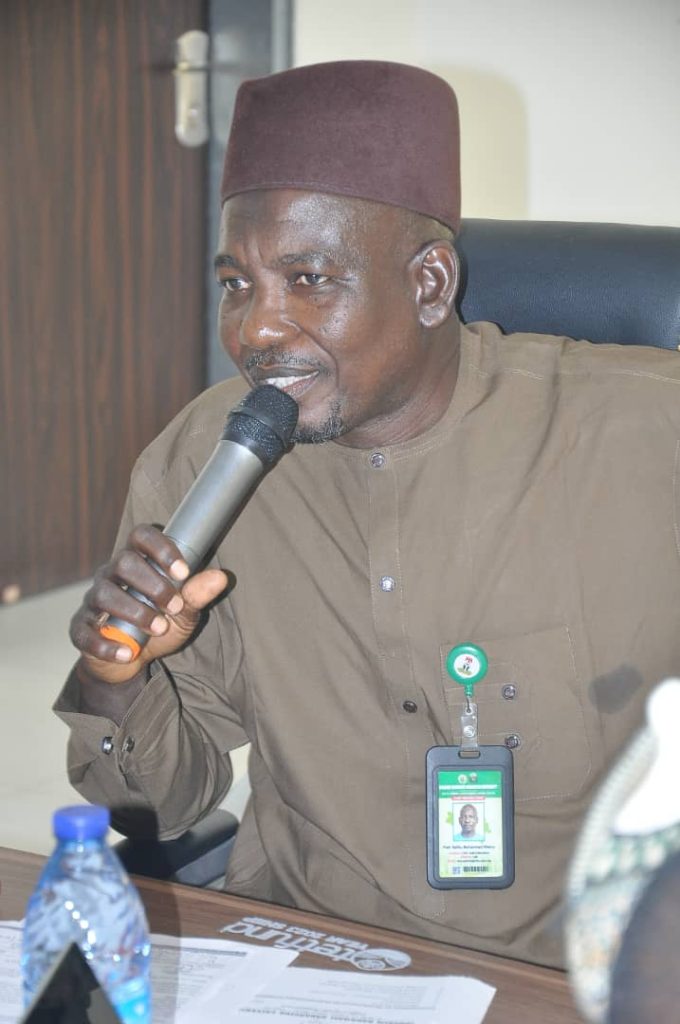
The Acting Vice-Chancellor, Professor Mohammed Salihu Niworu, who stood in for the Vice-Chancellor, commended the Initiative and described the visit as both noble and timely.
He observed that drug abuse has become deeply rooted in society, with some students arriving at the University already struggling with addiction long before admission. He stressed that universities are expected to reform society, yet the crisis has now permeated the very communities they draw their students from.
Professor Niworu welcomed the partnership but sought clarity on how GCHDI’s operations would align with NDLEA’s drug fitness directives recently communicated to universities.
He also raised questions about whether the proposed screenings and interventions would be provided as a corporate social responsibility or at a cost, emphasizing the need for proper coordination between all stakeholders.
The Registrar and Secretary to the Council appreciated the visit and described it as a timely contribution to the University’s ongoing search for effective solutions to drug-related challenges among students. He noted that previous attempts to collaborate with agencies such as NDLEA were already in motion and expressed confidence that GHI’s technical expertise would help strengthen identification, intervention, and rehabilitation processes within the institution.